
Scams, Frauds, money laundering, pyramid schemes and crypto currency.
What motivates someone to start scamming?
Scammers' goals are nearly often financial in character. Scammers seek to separate their victims from any valuables they may own in one way or another. This could refer to actual currency, knowledge, physical items, or any other method of storing value. I can say the person who is financially broke and finds no way out may can create scams while on other hand some are born to do scams.
Who is the most likely to be duped?
According to studies, younger generations may be more vulnerable to financial fraud than older generations. are not limited to any one country, area, or religion. It is ubiquitous around the world and is becoming more so as technology advances. 😂😆😳😰😫
What is an example of money laundering in real life?
Some businesses, such as restaurants, launderettes, gardening services, and delivery services, rely heavily on cash transactions. Criminal organizations can use these firms to launder money by inflating the amounts of the businesses' daily bank deposits.

.jpg)
Introduction
For years, global frauds have plagued communities, siphoning money and left victims traumatized. This blog post dives into infamous frauds throughout history, the vulnerability of online scams targeting the elderly, and how to avoid being a victim.
Throughout History, Famous Financial Scams
From Charles Ponzi's famed scheme to Bernie Madoff's billion-dollar deception, history is littered with financial scams that have shook economies and damaged faith. This section delves into the stories behind some of the most well-known hoaxes.
Identifying the Vulnerable: Scams Targeting the Elderly
In the digital age, scammers take advantage of the elder's unfamiliarity with technology to plan online scams. Investigate the methods used by scammers and how elders can protect themselves against such deception.
Unraveling Ponzi Schemes: How They Work
Ponzi schemes offer enormous returns but rely on a steady inflow of new investments to keep payouts going. Discover the mechanics of these fraudulent investing models and why they eventually fail. A Ponzi scheme is a type of investment fraud in which existing investors are paid using monies collected from new participants. Organizers of Ponzi schemes frequently promise to invest your money and create huge returns with little or no risk. However, the fraudsters in many Ponzi schemes do not invest the money.

Protecting Yourself from Scammers
Your best defense against frauds is education. This section provides useful information on recognizing red flags, confirming sources, and remaining careful when navigating financial opportunities.Technology's Role in Modern Scams
Technological advancements have created new opportunities for scammers. Learn about phishing, ransomware, and other digital threats, as well as how to protect your online presence from them.
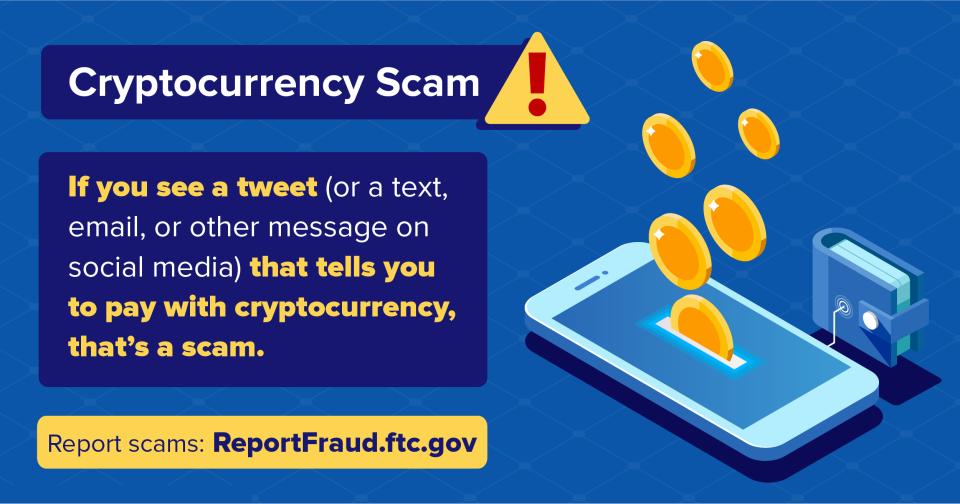
New scamming system is booming scam
Conclusion
Scammers will aim to exploit any chance that presents themselves. We can collectively impede their efforts and make the world a safer place by remaining aware, skeptical, and watchful.Before investing, conduct research.
Research each investment opportunity thoroughly, especially ones promising big returns. Check the validity of the company and, if necessary, seek the advice of financial professionals.
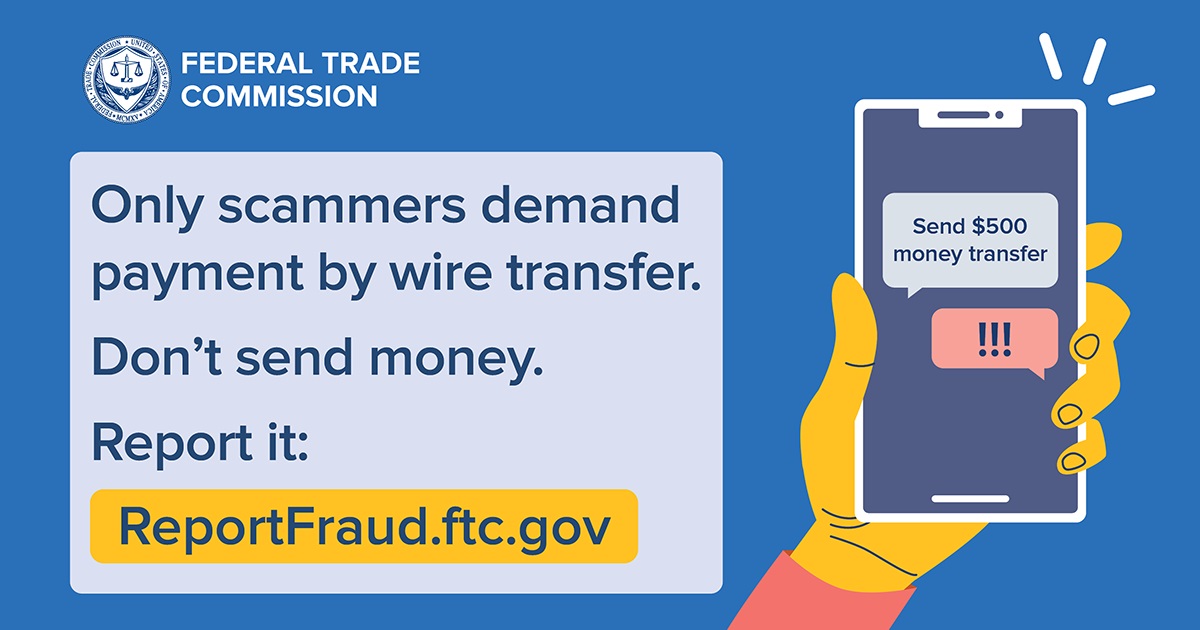

Protect your personal and financial information.
Never give out important information such as Social Security numbers, passwords, or credit card information in response to unwanted calls, emails, or messages. Use filters, update anti virus systems.
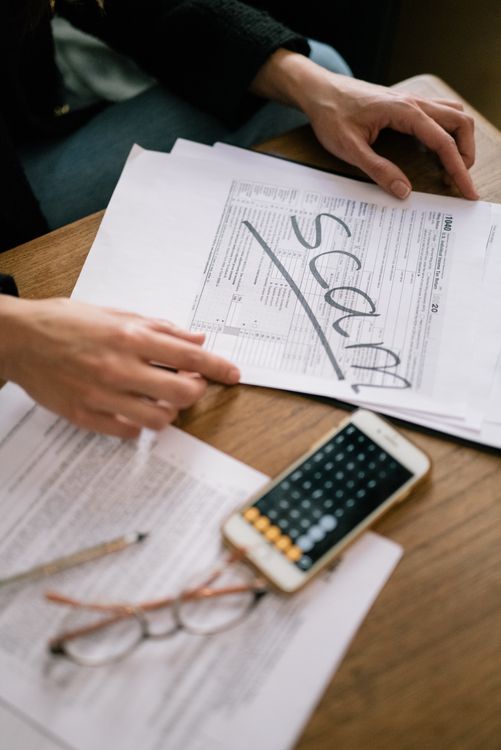
Keep Up to Date on Common Scams
Learn about popular scam strategies such as phishing emails, phony lotteries, and charity scams. Knowing their strategies allows you to stay ahead of the game.
Unsolicited Offers Should Be Questioned
Be wary of unexpected offers, particularly ones requiring rapid action. Scammers frequently put victims under pressure to make hasty judgements.
Check the Charities Before Making a Donation
Before donating to a charity, check its credibility with reputable organizations such as the Better Business Bureau's Wise Giving Alliance.
Update your secure online practices on a regular basis.
Passwords should be updated on a regular basis, two-factor authentication should be enabled, and links in emails, especially those from unknown sources, should be avoided.
Educate Senior Members of the Family
Teach elder family members about internet scams and assist them in putting security measures in place on their devices to secure their digital identity.

Suspicious Activity Should Be Reported
If you come across a potential fraud, report it to the appropriate authorities or consumer protection organizations. Your actions could save the lives of others.
Stay skeptical and safe.
Always approach new chances with caution. Remember that if something appears to be too good to be true, it probably is.
Knowledge is your Armour in a world when scammers are growing more cunning. You may protect yourself and your loved ones from their devious plots by studying the strategies they use, recognizing warning signs, and remaining vigilant. Stay aware and attentive, and together we can make the world a safer place for everyone.
Keep Yourself Informed Stay updated about common scams circulating in your region. Knowledge is your best defense against falling victim.
Recognize Red Flags Be wary of unsolicited emails, phone calls, or messages that ask for personal or financial information. Legitimate institutions rarely ask for sensitive data in this manner.
Secure Your Devices and Accounts Use strong, unique passwords for different accounts and enable two-factor authentication whenever possible to add an extra layer of security.
Verify Requests for Payments or Information Before making payments or sharing information, independently verify the legitimacy of the request through official channels or known contacts.
Educate Elderly Relatives Take the time to educate older family members about common scams and show them how to identify potential threats. Encourage them to seek advice if they're unsure about any communication.
Report Suspicious Activity If you suspect a scam, report it to relevant authorities, such as local law enforcement or consumer protection agencies. Reporting helps prevent others from becoming victims.
Avoid Impulsive Actions Scammers often create a sense of urgency to pressure victims into making quick decisions. Take a step back, think critically, and seek advice if something feels off.
Trust Your Instincts If something feels too good to be true or makes you uncomfortable, trust your instincts and investigate further before proceeding.
Stay Updated Scammers adapt and evolve their tactics. Stay informed about new scam trends and methods to ensure your ongoing protection.
Note:- I am also victim of such scammers and fraudsters while purchasing through Facebook. Always check with the seller and always prefer COD (Cash On Delivery) and money back guarantee. If possible get the seller's information and give it to your friends or relatives from seller's city. So, that you can get confirmed delivery of product.
Photo by energepic.com: https://www.pexels.com/photo/black-payment-terminal-2988232/Photo by energepic.com: https://www.pexels.com/photo/black-payment-terminal-2988232/


You had to write details of scammers. Do you know anyone ?
ReplyDelete