
India's Ambitious Mission: Landing on the South Pole of the Moon
In a remarkable feat of human ingenuity and technological advancement, India is poised to embark on an extraordinary mission – landing on the enigmatic South Pole of the Moon. This audacious endeavor, a brainchild of the Indian Space Research Organization (ISRO), represents a giant leap for the nation's space exploration program and holds the promise of unraveling unprecedented scientific discoveries.

Unveiling the Lunar Frontier
The Moon has captivated human imagination for centuries, but it is the lunar South Pole that has remained largely unexplored. ISRO's mission, aptly named "Lunar Southbound Odyssey," is all set to change that. This mission is not just a mere touch-and-go affair; it's a comprehensive scientific journey that aims to unlock the secrets of our cosmic neighbor.
Cutting-edge Technology at Play
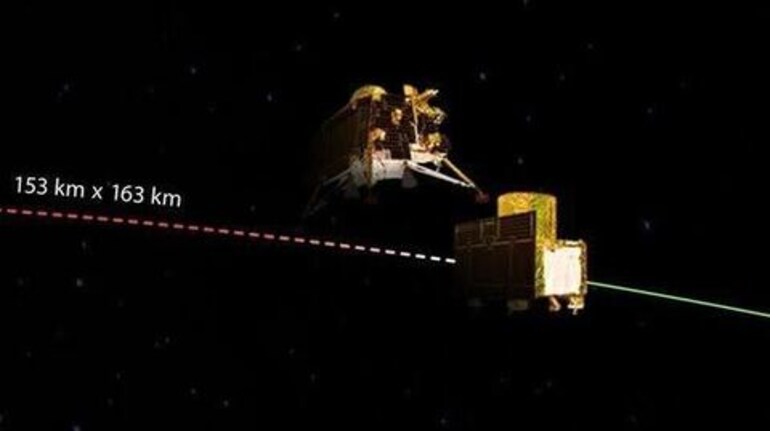
One of the most intriguing aspects of this mission is the utilization of cutting-edge technology. The Chandraayan-3 spacecraft, meticulously designed by ISRO's brilliant minds, will be the vehicle of this extraordinary voyage. Packed with state-of-the-art instruments and innovative landing gear, Chandraayan-3 is well-equipped to navigate the challenging lunar terrain and transmit invaluable data back to Earth.
The Quest for Water
One of the primary objectives of this mission is to search for water, a fundamental resource that could potentially sustain future lunar missions. The lunar South Pole is believed to harbor water ice in its perpetually shadowed craters. If confirmed, this discovery could revolutionize our understanding of resource availability in space and open doors to the possibility of establishing a sustainable lunar presence.
Scientific Significance
The South Pole of the Moon is bathed in eternal darkness, presenting a unique environment for scientific exploration. With its extreme temperatures and topographical peculiarities, this region offers scientists an unprecedented opportunity to study the Moon's geological history and cosmic evolution. The data gathered from this mission could offer insights into the early solar system and even shed light on the origins of our own planet.
Brains behind India's Moon Mission

Navigating Challenges
Embarking on a mission of this magnitude comes with its share of challenges. The lunar environment is unforgiving, with temperature extremes and treacherous terrain. ISRO's engineers have worked tirelessly to develop advanced thermal protection systems and landing mechanisms that can withstand these harsh conditions. This mission showcases India's prowess in overcoming adversity and pushing the boundaries of innovation.
International Collaboration
While ISRO spearheads this mission, it is important to note that space exploration is a collaborative endeavor that transcends national boundaries. The global scientific community eagerly anticipates the data and insights that will be shared, fostering international cooperation and mutual growth in the field of space exploration.
Inspiring Future Generations
Beyond the scientific achievements and technological breakthroughs, this mission is also a beacon of inspiration for generations to come. It reinforces the idea that with determination, perseverance, and a thirst for knowledge, humanity can conquer even the most formidable challenges. As the world watches, India's journey to the lunar South Pole will undoubtedly ignite the spark of curiosity in countless young minds, fostering a new wave of scientists, engineers, and explorers.
Conclusion
In the realm of space exploration, the "India Landing on South Pole of Moon" mission stands as a testament to human ambition and innovation. With its state-of-the-art technology, scientific objectives, and the spirit of collaboration, this mission not only propels India's space program to new heights but also contributes to the global quest for knowledge. As the Chandraayan-3 spacecraft embarks on its odyssey to the lunar South Pole, the world holds its breath in anticipation of the discoveries that await us. The Moon, our celestial neighbor, is about to reveal some of its most profound secrets.


No comments:
Post a Comment