
China Suspends Japanese Seafood Imports.
What's story behind this ?
Introduction:
In a startling twist of events, China has decided to halt all imports of Japanese seafood, a move driven by the recent controversy surrounding the release of treated contaminated water from Japan's Fukushima nuclear plant. As tensions escalate, this decision carries far-reaching implications, shedding light on the intricate web of diplomacy, environmental concerns, and public health considerations.
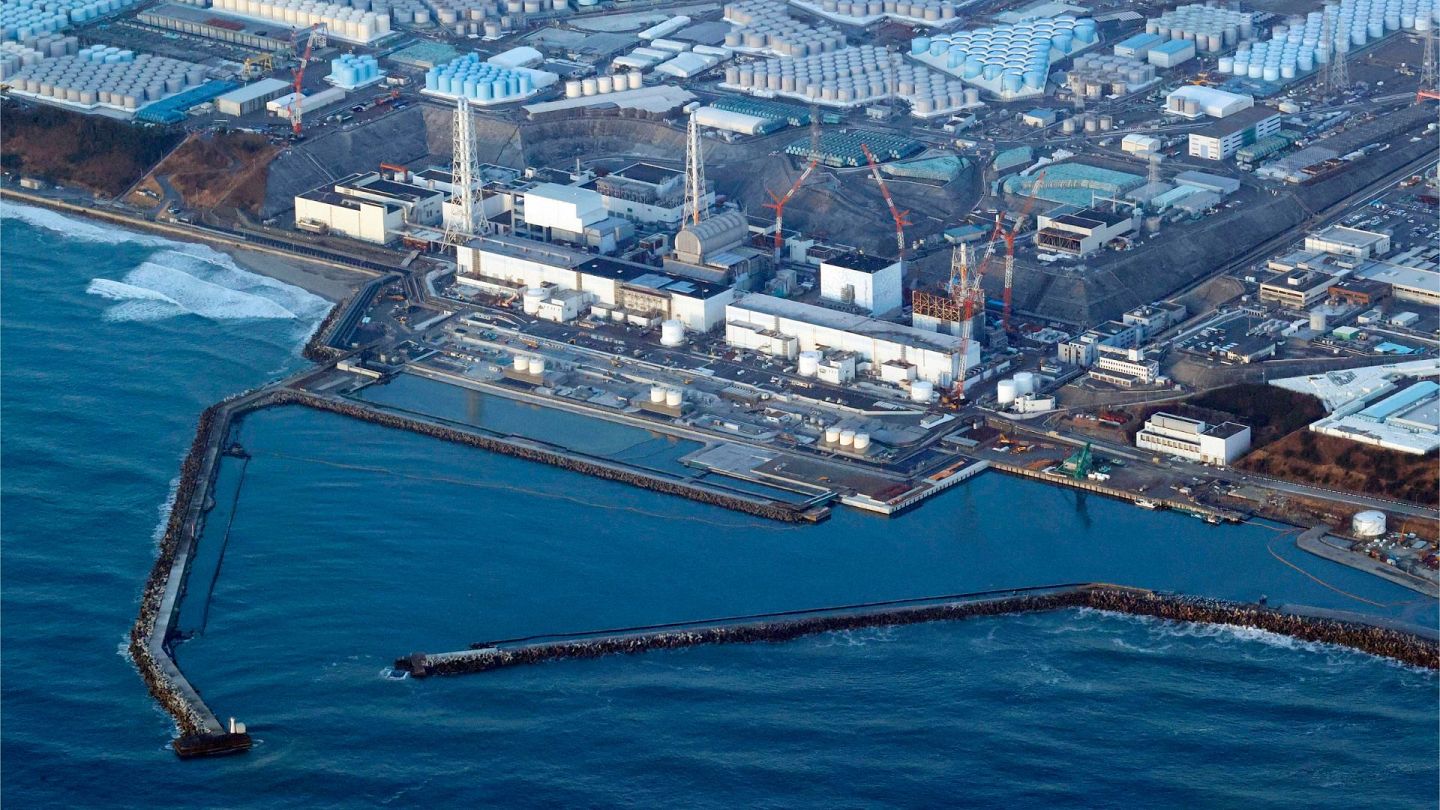
The Unfolding Fukushima Crisis:
With the Fukushima Daiichi nuclear power plant grappling with an ever-growing stockpile of radioactive water, Japan recently initiated a contentious strategy: discharging treated contaminated water into the Pacific Ocean. While Japanese authorities argue for the safety of this approach, it has triggered global concerns, particularly in China, where the ramifications of such a decision are viewed with alarm.
Japan to release water from Fukushima
People gathered outside prime minister's office in Tokyo to protest

China's Strong Condemnation:
China's response was swift and severe. The country's foreign ministry issued a scathing statement, branding Japan's actions as "extremely selfish and irresponsible." The concerns articulated by China delve into the heart of the potential consequences on a global scale, affecting not only the present but also future generations. The intensity of this condemnation underlines the gravity of the situation.
Mao Ning

An Embargo on Imports:
China's criticism did not remain in the realm of words alone. The country's customs authority announced a blanket suspension on the import of aquatic products from Japan, effective as of August 24, 2023. This embargo encompasses edible aquatic animals and is aimed at both registering China's disapproval and ensuring the safety of its citizens.
The Customs Authority's Stand:
The General Administration of Customs, responsible for implementing this embargo, stated that the decision was a precautionary measure. It intends to prevent potential food safety risks arising from radioactive contamination caused by the Fukushima discharge. This bold step underscores China's commitment to safeguarding its consumers and upholding the integrity of its food supply chain.
Balancing Diplomacy and Safety:
China's suspension of Japanese seafood imports represents a delicate balancing act between asserting diplomatic displeasure and prioritizing its citizens' well-being. By imposing such an embargo, China underscores its resolve to maintain rigorous standards in the face of potential environmental hazards. It sends a clear message that the nation's commitment to public health and safety takes precedence.

Conclusion:
The decision to suspend Japanese seafood imports by China is emblematic of the complex interplay between international relations, environmental stewardship, and public health vigilance. As the aftermath of the Fukushima release continues to ripple through diplomatic circles, it serves as a poignant reminder that the consequences of such actions reverberate beyond national borders. This juncture serves as an opportunity for global collaboration and heightened awareness regarding the far-reaching impact of nuclear disasters.


No comments:
Post a Comment